
As winter transitions to spring in Burnaby, outdoor enthusiasts eagerly embrace activities like skiing on Cypress Mountain, trail running through Burnaby Lake Park, or cycling along the Central Valley Greenway. However, the unique climatic conditions of March—lingering cold winds, fluctuating humidity, and intensifying UV exposure—pose significant challenges to skin health. For active individuals, these environmental stressors often manifest as stubborn sunspots, windburn-induced redness, acne flare-ups, and accelerated collagen breakdown.
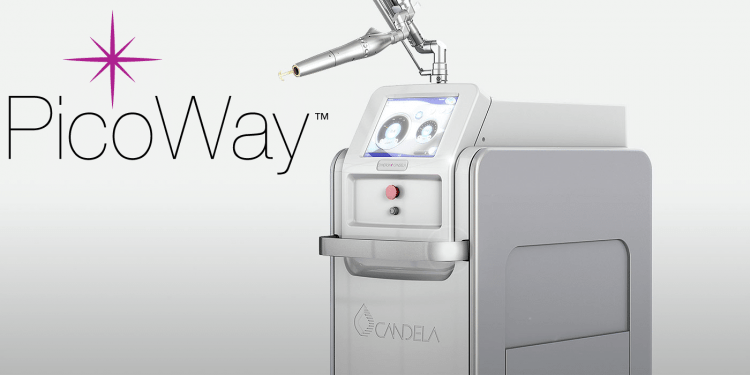
Enter PicoWay laser technology, a revolutionary advancement in dermatology that addresses these concerns at a cellular level, blending cutting-edge physics with biological precision. Let’s explore how this science-driven solution aligns with Burnaby’s spring outdoor lifestyle.
The Burnaby Spring Paradox: Outdoor Thrills vs. Skin Stressors
1. UV Radiation & Altitude Amplification
While March UV indices in Burnaby average 3–4 (moderate), snow-covered slopes at nearby mountains reflect up to 80% of UV rays, doubling exposure. This triggers:
A)Melanocyte hyperactivity: Leading to solar lentigines (sunspots) and melasma.
B)ROS (Reactive Oxygen Species) surge: Free radicals degrade collagen fibers, causing premature wrinkles.
2. Windburn & Transepidermal Water Loss (TEWL)
Cold, dry winds strip the skin’s natural lipid barrier, increasing TEWL by 40–60%. This compromises:
A)Keratinocyte cohesion: Resulting in flakiness and microtears.
B)Immune function: Barrier disruption heightens sensitivity to pollutants and pathogens.
3. Friction-Induced Inflammation
Activities like skiing goggles rubbing against skin or backpack straps create:
A)Mechanical acne: Also known as acne mechanica, caused by heat and friction.
B)Post-inflammatory hyperpigmentation (PIH): Common in Fitzpatrick skin types III–V prevalent in Burnaby’s Asian and South Asian communities.
PicoWay Laser: A Physics-Biology Nexus for Active Lifestyles
Core Mechanism: Photomechanical vs. Photothermal Effects
Traditional lasers (e.g., Q-switched Nd:YAG) work like a slow-cooker—they use heat (photothermal effect) to break down pigment over nanoseconds (billionths of a second). While effective, this heat spreads to surrounding tissues, risking burns or scarring—a dealbreaker for sports-lovers needing quick recovery.
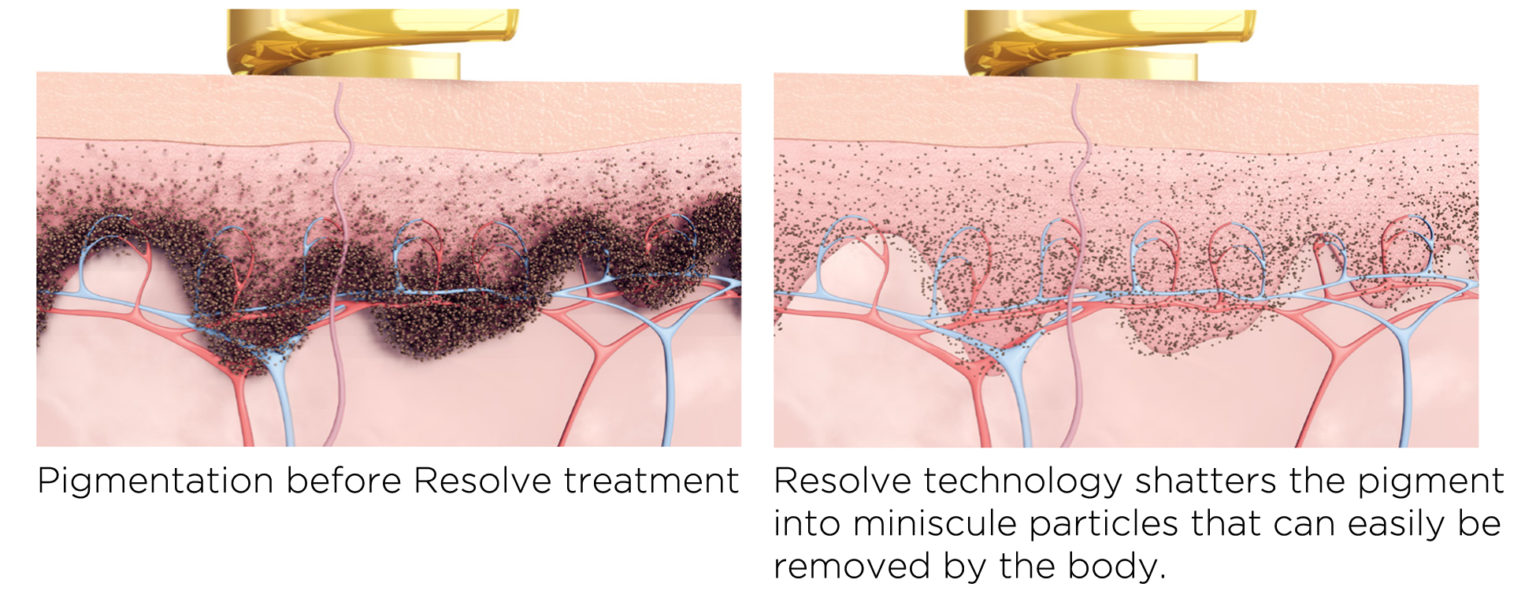
PicoWay operates like a microscopic jackhammer, delivering energy in picoseconds (trillionths of a second). This ultra-short pulse creates laser-induced optical breakdown (LIOB):
- Step 1: Light energy vaporizes water in pigment cells.
- Step 2: Rapid vapor expansion generates acoustic shockwaves.
- Result: Pigment shatters mechanically (photomechanical effect), not thermally. Why it matters: Nearby collagen and vessels stay intact, slashing downtime from days to hours.
Wavelength Versatility: Matching Light to Your Skin’s Needs
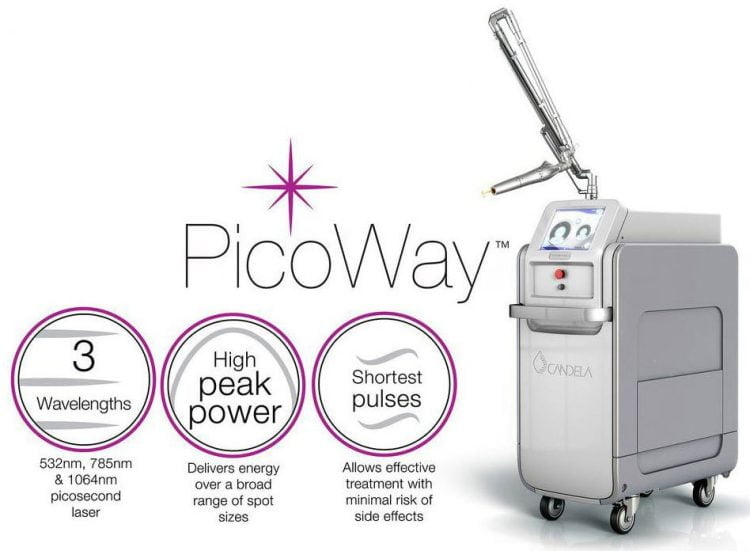
PicoWay’s true power lies in its tunable wavelengths-think of them as different “keys” unlocking specific skin issues:
- 532 nm (Green Light):
Targets: Epidermal pigments (sunspots, freckles).
Science: Melanin absorbs green light best, allowing precise destruction of surface pigments without harming deeper layers.
Burnaby Use Case: Ideal for skiers’ goggle-line sunspots.
- 785 nm (Near-Infrared):
Targets: Dermal melanophages (cells hoarding pigment in PIH/melasma).
Science: Longer wavelengths penetrate deeper, fragmenting pigment clusters missed by topical creams.
Burnaby Use Case: Fades post-acne marks common in humid summer activities.
- 1064 nm (Infrared):
Targets: Dermis-wide collagen remodeling.
Science: Energy bypasses pigment to stimulate fibroblasts-your skin’s “collagen factories.”
Burnaby Use Case: Repairs windburn-induced fine lines from winter sports.
Clinical Applications for Outdoor-Induced Skin Issues
✅Sunspot & Melasma Management
Problem: UV-activated tyrosinase increases melanin synthesis.
PicoWay Solution:
The 532 nm wavelength selectively destroys melanin clusters without triggering inflammation (unlike older lasers).
A 2022 Journal of Cosmetic Dermatology study showed 75% clearance of solar lentigines after 2 sessions.
✅Acne Mechanica & PIH Resolution
Problem: Friction-induced microtears allow C. acnes proliferation, leading to pustules and residual dark spots.
PicoWay Solution:
The 1064 nm wavelength reduces sebum production via sebocyte apoptosis (cell death).
Simultaneously, it fragments hemosiderin (iron deposits from inflammation), fading PIH 30% faster than topical therapies.
✅Collagen Remodeling for Windburn Recovery
Problem: Cold winds degrade collagen types I and III, causing fine lines.
PicoWay Solution:
The 1064 nm beam induces controlled subclinical injury, activating fibroblasts to produce neocollagenesis.
A 2021 Aesthetic Surgery Journal trial reported a 22% increase in dermal density after 3 treatments.
Why Spring Is Ideal for PicoWay in Burnaby
- Pre-Spring UV Prep:
Completing a PicoWay series now prepares skin for stronger April UV rays by:
- Clearing existing pigmentation, reducing melanoma risk.
- Thickening the stratum corneum via collagen stimulation.
- Post-Winter Recovery:
Post-ski season skin benefits from:
- Barrier repair via fibroblast activation.
- Reduced redness from windburn.
- Low Humidity Adaptation:
PicoWay’s non-ablative nature prevents excessive dryness—unlike fractional CO2 lasers.
The Protocol for PicoWay in Facial Burnaby: 3 Simple Phases for Outdoor-Loving Skin
✅ Phase 1: Pre-Treatment Prep (2 Weeks Before)
Goal: Strengthen skin to handle treatment like a pro.
- Morning: Vitamin C serum
Think of it as: A “shield” against leftover UV damage (e.g., ski trip sunspots).
Burnaby hack: Use “stable” vitamin C – our hard water breaks down regular formulas faster.
- Night: Ceramide moisturizer
Repairs: Wind-damaged skin barriers (perfect for hikers/bikers).
Local tip: Skip fragranced products – March pollen levels here can irritate pre-treated skin!
- Stop: Retinol/exfoliants (they thin your skin’s defense).
✅ Phase 2: Treatment Day (30 Minutes)
Goal: Zap trouble zones without ruining weekend plans!
- Target Areas:
Skiers: T-zone (nose/cheeks) – fixes goggle tan lines.
Cyclists: Jawline – erases helmet strap friction marks.
- Feels Like: Tiny rubber band snaps + cooling mist (no numbing cream needed).
- Post-Care: Slather on BC-grown aloe gel (sold at Choices Market) – instant calm.
✅Phase 3: Recovery (1 Week)
Goal: Heal fast, adventure sooner!
- First 24 Hours:
Ice Smart: Wrap flaxseed gel packs (buy at Burnaby Whole Foods) in a towel – 10 mins on/20 off.
Why: Asian skin (common here) swells more easily.
- Days 2-7:
Sunshield: Zinc sunscreen (20%+) – blocks UV and Metrotown pollution.
Burnaby move: Wide-brim hat + neck gaiter for trails.
- Avoid:
Sweaty workouts (48 hrs) – salt stings healing skin.
Hot tubs (72 hrs) – our mineral-heavy water + heat = irritation.
Why This Matters for Facial Burnaby
For Burnaby’s trail runners, skiers, and urban explorers, PicoWay isn’t just a laser—it’s a lifestyle enabler. By merging photomechanical precision with Burnaby-specific care protocols, this technology delivers the following benefits:
- Speed Meets Safety: Treat sunspots, PIH, and collagen loss in one session at our Metrotown Clinic Station Square—just steps from SkyTrain, so you can grab a post-treatment matcha at Crystal Mall and hit the trails by afternoon.
- Climate-Adaptive Healing: No open wounds = zero worries about spring rain or summer dust during your Burnaby Lake walks.
- Skin of Color Confidence: Safe for South Asian melasma and East Asian sensitive skin—because Burnaby’s diversity deserves tailored solutions.
Ready to redefine your skin’s potential? At the R•MEDYᴹᴰ, which is located at metrotown clinic station square, we’re redefining what it means to glow through Burnaby’s seasons—one trail, one treatment, one radiant face at a time.